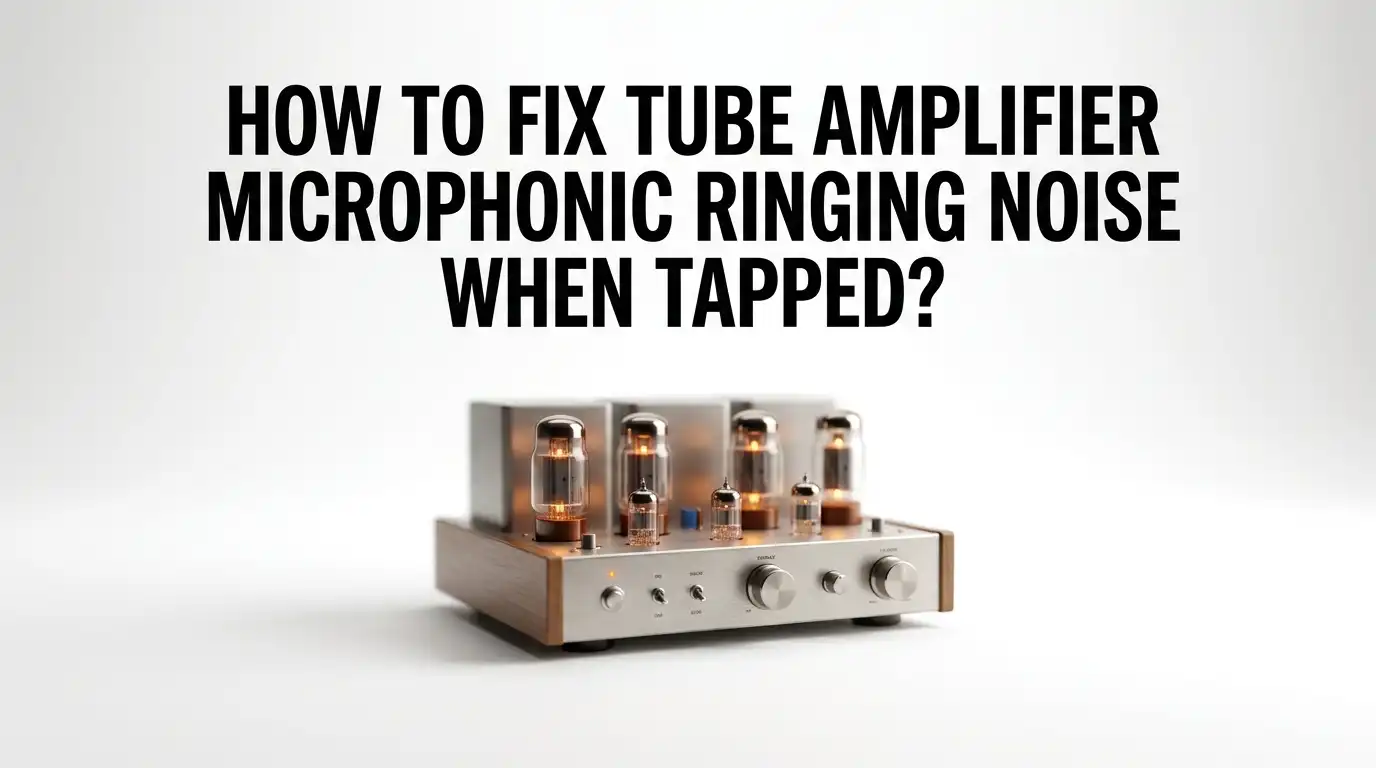
How To Fix Tube Amplifier Microphonic Ringing Noise When Tapped?
Your tube amp suddenly makes a high pitched ringing sound. You tap the chassis, and it sings back like a struck bell. That noise feels alarming, but the cause is usually simple and fixable at home.
This problem is called microphonics. A tube inside your amp starts acting like a tiny microphone. It picks up vibration and feeds it back through the circuit as ringing, squealing, or feedback. The good news is that you can find the guilty tube and stop the noise quickly.
This guide walks you through every step. You will learn how to test, locate, dampen, and replace the part causing the trouble. No expensive shop visit needed for most cases.
Key Takeaways
- Microphonic tubes are the top cause of ringing noise when you tap your amp. The glass and internal parts pick up vibration and amplify it as sound.
- The first preamp tube (V1) is the usual suspect because it sits in the highest gain position. A small vibration there gets amplified the most.
- The tap test finds the bad tube fast. Warm up the amp, turn up the volume, and gently tap each tube with a pencil or chopstick to hear which one rings.
- Loose tube sockets and missing shields can also cause vibration noise. Reseating tubes and tightening connections often solves the issue.
- Tube dampers and retainer springs reduce microphonics by absorbing vibration before it reaches the glass.
- Replacing the worn tube with a fresh one of the same type is the most reliable permanent fix.
What Microphonic Ringing Noise Actually Means
Microphonic noise happens when a vacuum tube turns mechanical vibration into sound. Every tube has thin internal parts like plates, grids, and getters. These parts can loosen with age or heavy use.
When they loosen, the tube vibrates like a microphone diaphragm. It literally hears the room and amplifies it. That is why a light tap produces a loud ring through your speakers.
All tubes are microphonic to some degree. This is normal. The problem starts when one tube becomes far more sensitive than the others. You then hear constant ringing, squealing, or feedback even at moderate volume. High gain amps show this fault more often because they boost tiny vibrations into loud noise.
Why The Ringing Happens When You Tap The Amp
The tap test reveals a weakness that already exists inside the tube. When the amp is on and warm, the circuit is fully active. A tap sends a sharp mechanical shock through the chassis and into the tubes.
A healthy tube absorbs that shock with a short, dull thud. A microphonic tube rings out and sustains the sound like a tuning fork. The vibration keeps going because the tube keeps amplifying it.
The position of the tube matters a lot. The first gain stage sees the smallest signal, so it applies the most amplification. A microphonic tube placed there turns a tiny tap into a huge ring. This is why your amp can sound fine one day and ring loudly the next, even without any change in your playing.
How To Stay Safe Before You Touch The Amp
Tube amps hold dangerous voltage even after you unplug them. The capacitors inside can store a charge for a long time. You must respect this risk before opening anything.
For the tap test, you do not need to open the chassis. You only touch the tubes from the outside, and you use a non conductive tool like a wooden pencil or chopstick. Never touch the tube pins or internal wiring while the amp is on.
If you plan to reach inside the chassis for socket work, unplug the amp first. Let it sit for several minutes. Leave deep internal repairs and capacitor draining to a qualified tech if you are not trained. Hot tubes also burn skin, so let them cool before handling them with bare hands.
Pros of careful prep: you avoid shock and burns. Cons: it adds a few minutes, but that time protects your safety.
Step By Step Tap Test To Find The Bad Tube
The tap test is the fastest way to locate a microphonic tube. Follow these steps in order for the clearest result.
First, plug nothing into the inputs. Turn the amp on and let it warm up off standby. Set the master volume low at first, around 3 to 5.
Next, gently tap the end of each small preamp tube with a pencil eraser or wooden chopstick. Listen through the speaker after each tap. A good tube makes a faint, short tick. A microphonic tube rings, squeals, or sustains the note loudly.
If nothing rings at first, slowly raise the volume and master, then tap again. Keep tapping until one tube clearly stands out. Note which tube it is, then turn the amp off.
Pros: cheap and quick. Cons: loud rings can startle you, so start at low volume.
How To Identify The V1 Position And Other Tubes
Preamp tubes sit in positions labeled V1, V2, V3, and so on. V1 is the first preamp tube in the signal path. It handles the first gain stage, so it has the biggest effect on tone and noise.
Most microphonic problems start at V1 because it amplifies the most. Many techs swap V1 first before testing anything else. This single move solves a large share of ringing complaints.
Check your amp manual or the inside label for the layout. In many Fender and Marshall style amps, V1 sits closest to the input jack.
The larger tubes near the back are power tubes, usually EL34, 6L6, or similar. Power tubes can also wear out, but ringing when tapped almost always points to a preamp tube. Mark the positions so you put each tube back correctly later.
Reseating Loose Tubes To Stop Vibration Noise
Sometimes the tube is fine but sits loose in its socket. A loose tube wobbles and picks up vibration, which mimics microphonics. Reseating the tube can fix the noise without any new parts.
Turn the amp off and let the tubes cool fully. Gently grasp the suspect tube and wiggle it straight back into its socket. Never twist a tube hard, and never force it. The nine pins form an incomplete circle, so align them before pushing.
If the socket feels loose, the metal contacts inside may have spread over time. With the amp on, you can lightly wiggle a power tube to hear if the noise starts or stops. A tech can tighten or replace worn sockets.
Pros: free and fast, no parts needed. Cons: it only helps if looseness is the true cause.
Using Tube Dampers To Reduce Microphonic Ringing
Tube dampers are rings or sleeves that slide onto the tube. They absorb vibration before it shakes the glass. This stops the tube from ringing like a bell.
Silicone O rings are the cheap option. You slide one or two around the tube body. Dedicated dampers with isolation pads work better because they have somewhere to disperse the vibration, while plain O rings can trap it.
Many players report that a damper on the right tube ends a rattle tied to a specific note. For example, a 12AX7 in the V4 position that rattled on a D note went quiet after adding a damper.
Pros: cheap, easy, and reversible. Cons: dampers reduce but rarely eliminate severe microphonics. A badly worn tube still needs replacing. Use dampers on tubes that are only mildly noisy.
Installing Tube Retainers And Shields For Stability
Tube retainers are spring clips or shields that hold a tube firmly in place. They stop the tube from bouncing inside a vibrating combo amp. Many combo amps need them because the speaker shakes the chassis.
A spring clip presses down on the tube and keeps it seated. Install the spring so the open end of the coil sits 180 degrees away from where you tighten it. High temperature rubber rings can be added to retainers to soak up extra vibration.
Metal tube shields slide over preamp tubes. They block radio interference and add mechanical support. Remember to remove a shield to test the tube, then put it back after.
Pros: better stability, fewer rattles, and added shielding. Cons: a worn or loose retainer can itself buzz, so check that it sits tight and quiet.
Replacing The Microphonic Tube The Right Way
Replacement is the most reliable permanent fix. Once you find the ringing tube, swap it for a fresh one. Always use the same tube type, such as a 12AX7 for a 12AX7.
Turn the amp off and let the tubes cool. Gently pull the bad tube straight out without twisting. Align the pins of the new tube with the socket and press it in evenly. The keyway or pin gap shows the correct direction.
Write down the date and which position you changed. This helps you track tube life over time. Keep your good old tubes as spares.
Pros: solves the root cause and restores clean tone. Cons: tubes cost money, and a fresh tube can still be slightly microphonic, so test it with a tap before you finish.
Checking Pickups And Cables Before Blaming The Tube
Not every ringing or squealing noise comes from a tube. Your guitar and cables can cause similar problems. Rule these out so you do not replace a tube for nothing.
Microphonic pickups squeal at high gain, much like a microphonic tube. To test, stop touching the strings and turn down the guitar volume. If the noise stops, the pickup or guitar is the source, not the amp.
Also check your cable. Using a speaker cable in place of an instrument cable can create wild feedback. A damaged cable adds crackle and noise too. Swap in a known good instrument cable and listen again.
Pros: this check is free and takes seconds. Cons: none really, except it adds a small step before you open the amp.
Preventing Microphonic Noise In The Future
A few habits keep microphonics from coming back. Treat your tubes gently and your amp will stay quiet longer. Vibration and heat are the main enemies of tube life.
Move your amp carefully and avoid hard knocks while the tubes are hot. Let the amp cool before transport so the fragile internal parts settle. Keep good tubes in V1 since that position stresses tubes the most.
Add dampers or retainers to combo amps that vibrate heavily. Replace preamp tubes as part of routine maintenance before they fail. Store spare tubes in their boxes, away from shock and dust.
Pros: longer tube life and fewer surprise noises. Cons: maintenance takes a little planning, but it saves money and downtime later. Prevention is far cheaper than emergency repairs.
When To Call A Professional Amp Tech
Most ringing fixes are simple, but some cases need an expert. Know when to stop and hand the amp over. This protects both you and the amp.
Call a tech if a power tube glows cherry red, if fuses keep blowing, or if you smell burning. These signs point to a short or deeper fault that home methods cannot fix safely. The high voltage inside makes guesswork dangerous.
You should also seek help if you reseated tubes, added dampers, and replaced the suspect tube, yet the ringing remains. The cause may be a worn socket, a failing capacitor, or a circuit problem.
Pros: a tech has tools, training, and tube testers for accurate diagnosis. Cons: it costs money and time, but it solves stubborn faults that risk your gear or safety.
Frequently Asked Questions
How do I know if my tube is microphonic or just worn out?
A microphonic tube rings or squeals when you tap it during the tap test. A simply worn tube often sounds weak, dull, or noisy without that clear ring. The sustained ringing sound is the key sign of microphonics. Test by tapping each tube with a pencil while the amp is on and warm.
Can a bad tube socket cause microphonic ringing?
Yes. A loose or dirty socket lets the tube wobble and pick up vibration, which sounds like microphonics. Reseat the tube first to see if the noise stops. If the socket feels loose or the contacts are spread, a tech can tighten or replace it. Always check the socket before assuming the tube is the only problem.
Do tube dampers really work for ringing noise?
Dampers help with mild microphonics by absorbing vibration before it shakes the glass. They work well as a quick, cheap fix on lightly noisy tubes. They do not fully cure a badly worn tube, though. For severe ringing, replacement is the better choice. Use dampers for prevention and minor cases, not as a substitute for a failing tube.
Is it safe to tap my tubes while the amp is on?
Yes, if you use a non conductive tool like a wooden pencil or chopstick and only touch the glass. Never touch the metal pins, sockets, or wiring while the amp is on. The voltage inside is dangerous. Keep one hand free, stay clear of the chassis interior, and let hot tubes cool before handling them.
Which preamp tube should I replace first for ringing?
Start with V1, the first preamp tube in the signal path. It sits in the highest gain position, so it amplifies vibration the most. Most microphonic ringing traces back to V1. Swapping it for a fresh tube of the same type often solves the problem on the first try. Use the tap test to confirm before replacing others.
Why does my amp ring only at higher volume?
Higher volume means more gain, so the amp amplifies tiny vibrations into loud noise. A slightly microphonic tube stays quiet at low volume but rings as you turn up. More gain makes the fault audible. This is why high gain amps show microphonics more easily. Find the tube with the tap test at the volume where the ringing appears.

Hi, I’m Frankie Shaw, the founder and writer behind Swittchly 👋. I’m a passionate tech enthusiast who loves exploring the latest gadgets, devices, and electronics that hit the market. Through my honest, research-backed Amazon product reviews, I help readers make smarter buying decisions without the hype or confusion.